Cooking Basics & Leftover Ideas
How to Roast Vegetables with Better Browned Edges
Give vegetables space, choose sensible cuts, and use the tray well.
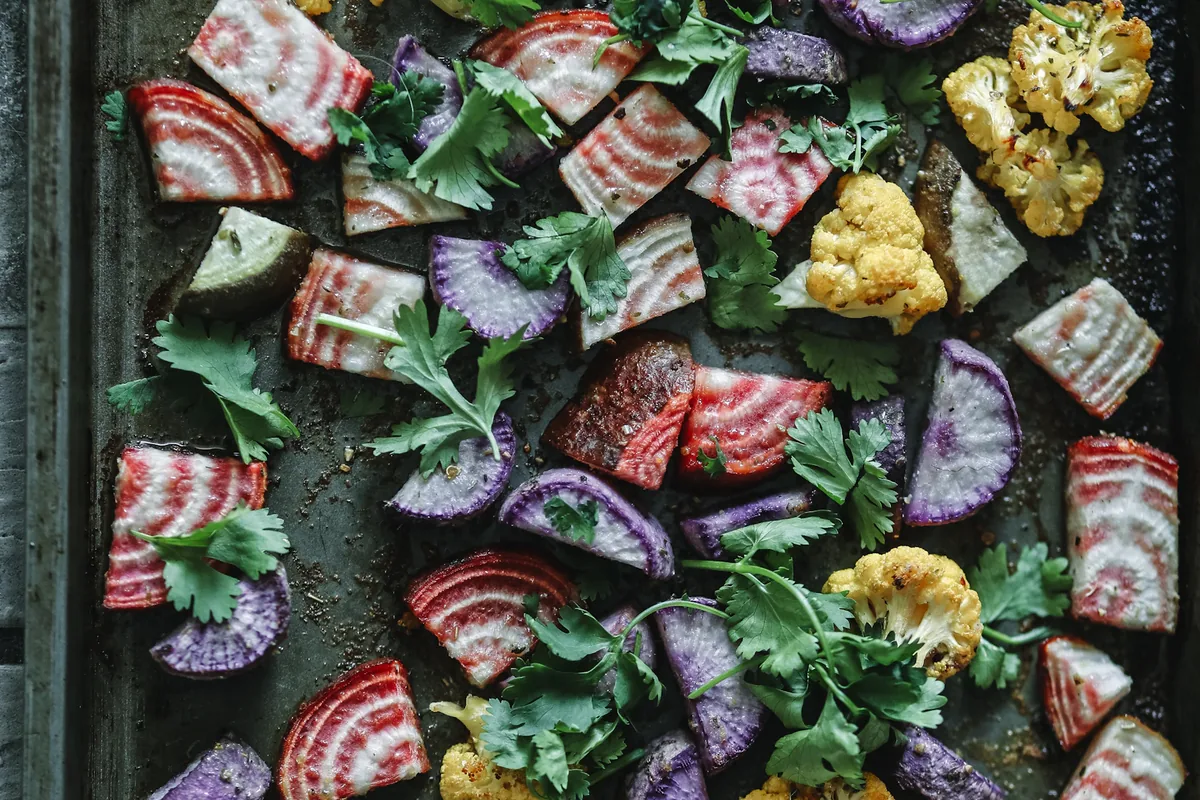
Roasted vegetables often disappoint because they are crowded, not because they need a more elaborate seasoning. Vegetables release water as they heat. When a tray is packed tightly, that moisture hangs around and the food steams.
A roomy tray, similar-sized pieces, and a little patience give better results. Start with vegetables you know, then adjust for your oven rather than chasing one exact time for every possible combination.
Cut for the cooking time
Potatoes, carrots, and other firm roots usually need smaller pieces or a head start. Courgette, peppers, and small broccoli florets cook faster. A mixed tray works best when the cuts reflect those differences.
Cut potatoes into roughly 2 cm pieces for a manageable starting point. Keep softer vegetables a little larger so they do not disappear while the roots finish. There is no need for perfect shapes; consistency matters more.
Dry, oil, and spread out
Dry washed vegetables before tossing with oil. Use enough to coat them lightly without leaving a pool in the tray. Season, then arrange in one layer with visible gaps where possible.
A sturdy metal tray transfers heat well. Baking parchment simplifies cleanup but may change direct contact with the surface. Check the parchment temperature rating before using a hot oven.
Use heat and observation
An oven around 220°C / 425°F is a useful starting point for many sturdy vegetables. Check softer vegetables earlier. Turn or stir once when the lower surfaces have begun browning, rather than moving them constantly.
Look for tender centers as well as colored edges. A browned potato that is still firm inside needs more time. If the tray is coloring too fast, lower the heat slightly and continue cooking.
Finish after roasting
A squeeze of lemon, chopped herbs, or a small spoonful of yogurt can make the finished tray more interesting. Add delicate herbs at the end so they do not scorch.
Use roasted vegetables in pitas, salads, grain bowls, or alongside beans. Keep any leftovers refrigerated promptly and plan a next use rather than leaving them at room temperature on the tray.
A couple of useful questions
Can I roast frozen vegetables?
Yes, though they release more moisture. Give them room and expect a different texture from fresh vegetables.
Should I preheat the tray?
It can help some vegetables brown, but it is optional. Handle the hot tray carefully and avoid pouring cold liquid onto it.


