Cooking Basics & Leftover Ideas
Turn Leftovers into a Different Meal
Keep texture, storage, and portion size in mind when giving yesterday’s ingredients a new use.

Leftovers become more appealing when you change how you serve them, rather than simply adding another garnish to the same plate. Cooked vegetables can fill a pita, beans can become a toast topping, and a small amount of rice can join a skillet meal.
Good storage comes first. A new sauce or a hot pan does not make badly stored food safe. Work only with food that was handled and refrigerated properly, and keep track of when it was cooked.
Separate useful components
When possible, save grains, sauces, dressings, and crisp toppings separately. That gives you more choices next time and keeps a salad from becoming a soggy mixed box.
Portion leftovers into shallow containers and refrigerate promptly. Labeling the cooking date avoids relying on memory. Do not leave a large pot on the counter for hours while waiting for every part to become completely cold.
Change the format
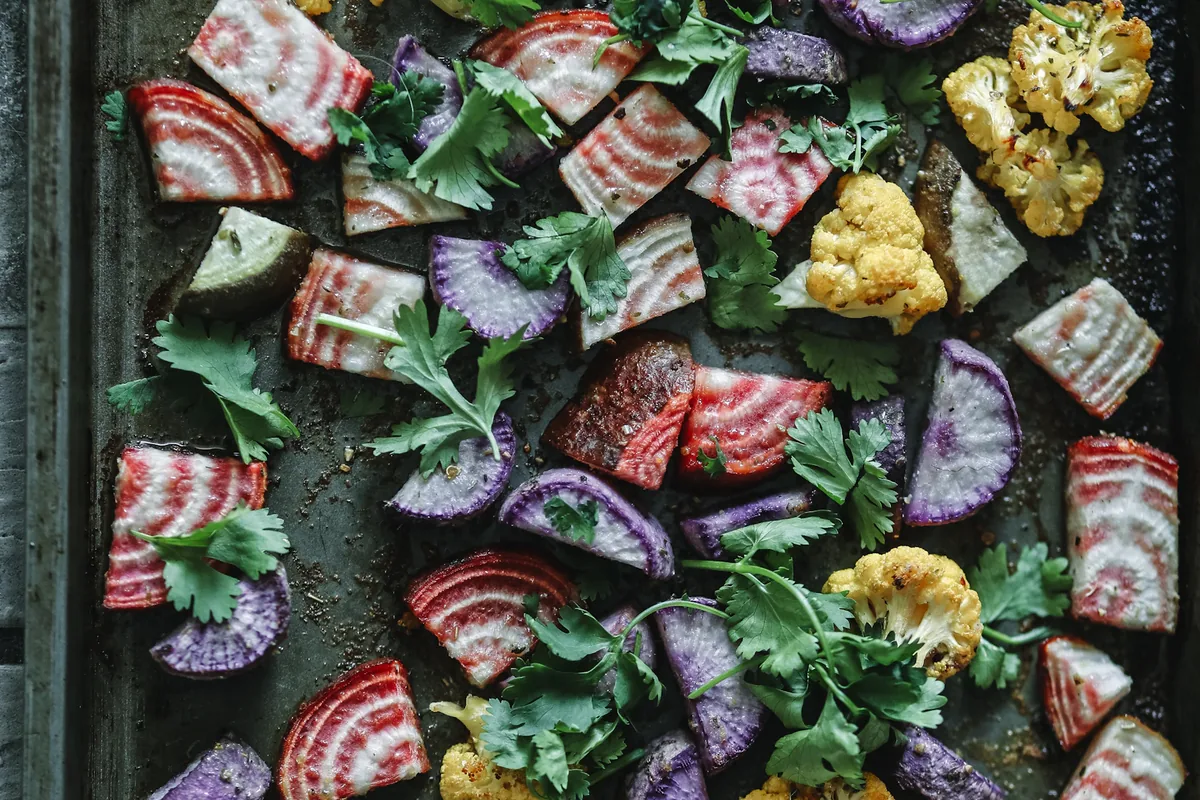
Turn roasted vegetables into a pita filling with yogurt, or add them to a cooked grain bowl. Mash cooked beans with lemon and mustard for a sandwich filling. Add safely chilled cooked rice to fried rice, making sure it is heated thoroughly.
These are ways to use components, not instructions to keep extending the life of an old meal. The original storage time still matters when you combine it with new ingredients.
Bring back texture
Cold leftovers often feel dull because their texture has changed. A fresh cucumber, a slice of toast, or a small spoonful of seeds can provide contrast. Add crisp components at serving rather than storing them in the same container.
Reheat saucy dishes with a small amount of water. Reheat crisp foods in a pan or oven when practical, watching them closely so the outside does not burn before the center is hot.
Know the safety limits
USDA guidance generally gives refrigerated leftovers a 3–4 day window and recommends reheating leftovers to 74°C / 165°F. Refrigerate perishables within 2 hours, or within 1 hour above 32°C / 90°F. Specific foods and local guidance may call for a shorter window.
Use a thermometer to check reheated food, and discard food when its handling history is uncertain. Smell and appearance cannot reliably prove that food is safe. See the linked food-safety sources for the full guidance.
Food-safety references
A couple of useful questions
Can I combine old leftovers with a new batch?
It is better to keep dates clear. Combining them does not restart the storage clock for the older food.
What if I will not eat them soon?
Freeze suitable portions promptly rather than waiting until the last possible day. Label the contents and date.